Astrology
When Will I Get Married? Kundli, Numerology & Tarot Give You Real Timing Windows
By Lopinuze · 2026-11-11
Reviewed by Shees Seth — Practitioner of Vedic & Western astrology, tarot and numerology for 10+ years — 1,000+ birth charts and tarot readings analysed; self-taught from multiple books and traditions, cross-compared and verified for authenticity
AI-assisted content — how this article was made
Read in:Englishहिन्दीதமிழ்తెలుగుবাংলাमराठीગુજરાતીಕನ್ನಡHinglishമലയാളംਪੰਜਾਬੀاردو
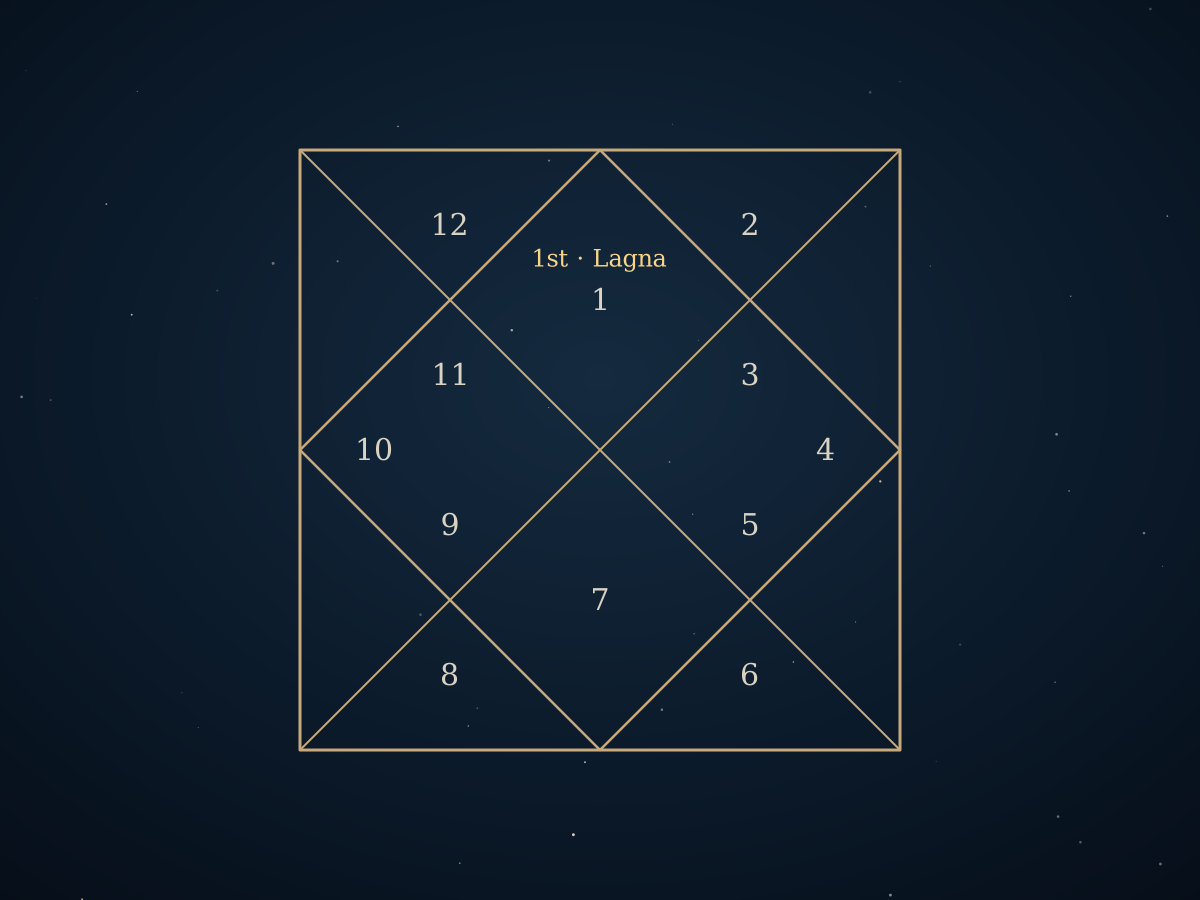
No one can promise you an exact wedding date from the stars alone — but astrology, numerology and tarot together can narrow your marriage timing down to real, meaningful windows. The answer to "when will I get married?" lives in three places: your 7th house and Venus in the kundli, your Life Path and personal-year cycles in numerology, and commitment cards like The Lovers and the Ten of Cups in tarot. Read all three and the picture stops feeling like guesswork — it becomes a plan. Here is exactly how to find your own timing, step by step.\n\n## The Question Behind the Question\nWhen you type "when will I get married" or "meri shadi kab hogi" at 2 a.m., you are usually not asking about a date. You are asking: *Am I safe? Will I be chosen? Is something wrong with me because it has not happened yet?* That is why generic answers feel empty and specific ones feel like relief. The tools below answer both layers — the emotional one and the timing one.\n\n## 1. Your Kundli: The 7th House, Venus and Jupiter\nIn Vedic astrology marriage is read from the 7th house (partnership), its lord, Venus (for men) or Jupiter (for women), and the dasha (planetary period) you are currently running. A marriage window opens when two things line up: a favourable dasha or antardasha touches the 7th house, its lord, Venus or Jupiter — and a transit (Jupiter or Saturn) aspects or transits one of those points.\n\n| Kundli signature | What it suggests |\n|---|---|\n| Strong 7th lord in kendra/trikona, unafflicted | Early, stable marriage — often before 28 |\n| Venus/Jupiter with benefics, 7th lord strong | A love-influenced or smooth arranged match |\n| Saturn aspecting the 7th house or lord | Delay that matures into a lasting marriage — often 28–32+ |\n| Manglik Dosha (Mars in 1/2/4/7/8/12 from Lagna or Moon) | Friction or delay unless matched with another Manglik or cancelled |\n| Rahu in the 7th | Unconventional or inter-caste/foreign partner; delay until confusion clears |\n| Venus dasha or antardasha running | The strongest single marriage-timing signal in Vedic astrology |\n\nRun your free kundli to see your 7th house, its lord, your running dasha and whether Manglik Dosha applies. If Venus dasha and a Jupiter transit over your 7th house land in the same year, treat that year as your most probable window.\n\n## 2. Numerology: Life Path and Personal Year\nYour Life Path number describes the life you are here to live; your Personal Year describes the chapter you are in right now. Marriages concentrate in specific personal years because those are the years you are psychologically and practically ready to commit.\n\n| Life Path | Most probable marriage years |\n|---|---|\n| 1 | Personal years 2, 6, 9 — the years you finally let someone in |\n| 2 | Personal years 1, 6 — partnership is your home base; 6 is the wedding year |\n| 3 | Personal years 6, 9 — communication matures into commitment |\n| 4 | Personal years 2, 6 — stability seeks a ceremony |\n| 5 | Personal years 4, 6 — freedom chooses love on purpose |\n| 6 | Personal years 2, 6, 9 — the most marriage-prone Life Path |\n| 7 | Personal years 2, 4, 6 — privacy opens for one person |\n| 8 | Personal years 2, 6, 8 — success wants a partner to share it |\n| 9 | Personal years 6, 9 — endings become beginnings |\n\nA Personal Year 6 is the single most common wedding year across every Life Path. If you are in a 6 year right now — or entering one — and your kundli shows a Venus period, the two systems are pointing at the same window. Calculate both free with the numerology tools.\n\n## 3. Tarot: The Commitment Cards\nDraw with a clear question — "what is blocking my marriage, and what will open it?" These are the cards that most often signal a real, approaching commitment:\n\n- The Lovers — a soul-level choice; love or arranged, this card says a genuine bond is forming.\n- Ten of Cups — the "happily married" card; pulled near a proposal, it blesses the timing.\n- The Hierophant — the traditional wedding card; ceremonies, family approval, formal vows.\n- Two of Cups — mutual feelings moving toward a promise.\n- Four of Wands — literally the wedding celebration; a milestone reached with family present.\n- The World — completion; often appears when a long-awaited relationship finally formalises.\n\nReversed, these same cards usually describe delay: The Hierophant reversed = family resistance; Four of Wands reversed = the celebration keeps being postponed; The Lovers reversed = indecision between two paths. The fix is usually a decision, not a ritual.\n\n## Why Is My Marriage Delayed? The Honest Checklist\nDelay almost always has a mundane AND a karmic layer. Run through this list before blaming Saturn:\n\n1. Saturn or Rahu touching the 7th house/lord — the classic Vedic delay signature; it matures, it does not punish.\n2. Manglik Dosha unmatched — check both charts before finalising; matched Mangliks cancel the dosha.\n3. Your own standards — if every "good match" feels wrong, the delay is you protecting yourself, which is healthy.\n4. Unfinished personal work — Saturn delays what cannot yet be held responsibly.\n5. Practical readiness — location, career and family logistics are real planets too.\n\n## Remedies That Actually Help\n- Keep Fridays for Venus: wear something light-coloured, offer white flowers, feed cows — Venus strengthens marriage timing directly.\n- Chant the Gauri Shankar or Shukra mantra on Fridays during your Venus dasha.\n- For Manglik Dosha: Kumbh Vivah ritual, Tuesday fasting, honouring Mars.\n- For Saturn delay: patience plus action — Saturn rewards the person who keeps building their life while waiting.\n- Practical remedy: say yes to the next person you can genuinely respect — many "delays" end the week the chooser chooses.\n\n## FAQ\nCan astrology tell me my exact wedding date?\nNo honest system promises an exact date, because free will and circumstance always have a vote. Astrology narrows it to strong windows — typically a 6–18 month period — which is exactly what you need to plan a life.\n\nWhich is more accurate for marriage timing — kundli or numerology?\nThey measure different things: the kundli measures *cosmic timing* (dasha + transits), numerology measures *personal readiness* (personal year). When both point at the same year, confidence is highest.\n\nIs delay a bad sign?\nNo. The most stable Vedic marriages are often the delayed ones — Saturn's delays filter out the matches that would not last.\n\nWhat if I am Manglik?\nMatch with another Manglik (the dosha cancels), check cancellation rules, or use the traditional remedies. Millions of Mangliks marry happily every year.\n\nDo tarot cards really predict marriage?\nTarot reflects the energy around the question — the decisions, fears and bonds in play. It predicts the *shape* of what is forming far better than a date.\n\nWhat should I do this week?\nGenerate your free kundli, note your running dasha and personal year, then take one real-world step: meet the match, say the honest thing, or finally decide. The cosmic windows open when you walk toward them.\n\n## Your Timing, in Your Hands\nThe question was never only "when will I get married?" — it was "am I on the right path, and will it happen for me?" The answer across all three systems is the same: yes, and the strongest signals of your life point to a real window. See your 7th house, your dasha, your personal year and your cards in one place — get your free marriage timing reading at Lopinuze.online today.
How this article was made
Written with AI assistance and reviewed by the Lopinuze editorial team. All astronomical facts (positions, transits, dasha periods) are computed with the Swiss Ephemeris; interpretive principles follow classical sources such as the Brihat Parashara Hora Shastra and the Rider-Waite-Smith tradition.
Spotted an error? Tell us — corrections are published promptly. Read about our editorial standards and methodology.